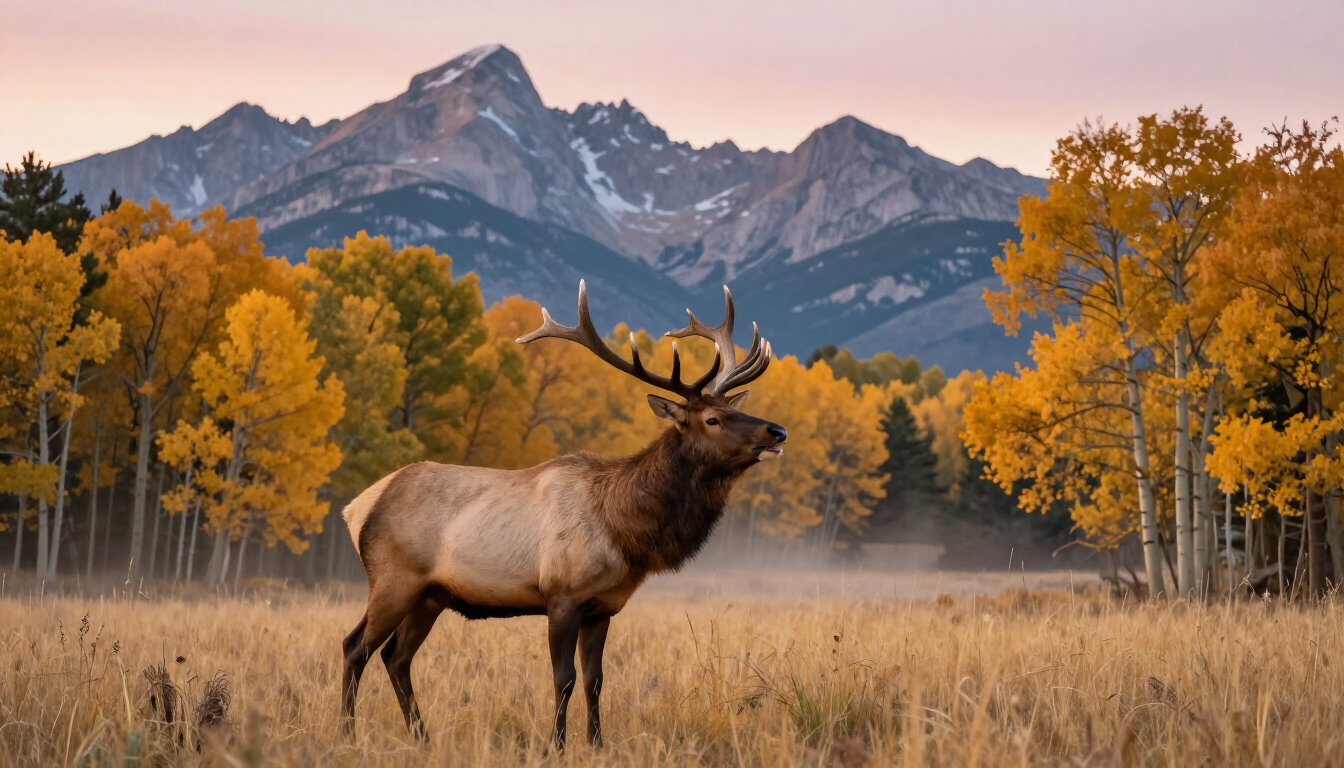
10 Estes Park Travel Tips for a Better Trip
Estes Park travel tips can help you enjoy Colorado’s mountain scenery while avoiding common planning mistakes. Reserve lodging early, check Rocky Mountain National Park requirements, prepare for changing weather, plan for altitude, respect wildlife, and build a flexible itinerary. The best trips balance outdoor adventure with time to relax and explore town.

1. When is the best time to visit Estes Park?
The best time to visit depends on your priorities:
- Summer: Ideal for hiking, scenic drives, wildlife viewing, and the widest range of open businesses. It is also the busiest season.
- Fall: Offers golden aspen colors, cooler temperatures, and excellent photography opportunities. Weekends can still be crowded.
- Winter: Brings snow, peaceful scenery, and fewer visitors. Some trails, roads, and businesses may have seasonal closures.
- Spring: Provides a quieter experience, but weather can be unpredictable and higher-elevation trails may remain snowy.
For a quieter trip, consider visiting midweek or choosing shoulder-season dates. Always check current conditions before traveling, especially if your plans include mountain roads or high-elevation hikes.
2. Where should you stay in Estes Park?
Choose lodging based on how you want to spend your time. Staying near downtown makes it easier to walk to restaurants, shops, and local attractions. Properties closer to Rocky Mountain National Park can reduce driving time for early hikes and scenic outings.
Vacation rentals are useful for travelers who want a kitchen, extra living space, or a comfortable home base for several nights. Explore all available listings or use the search page to compare locations and amenities.
When evaluating a property, check:
- Parking availability and winter access
- Kitchen and laundry facilities
- Distance to trailheads or downtown
- Pet policies, if applicable
- Cancellation and house rules
Book as early as possible for summer weekends, holidays, fall color season, and popular event dates.
3. What should you know before visiting Rocky Mountain National Park?
Rocky Mountain National Park is one of the main reasons travelers visit the Estes Park Valley. Entry requirements, timed-entry reservations, seasonal road access, and trail conditions can change. Review official park information before leaving and confirm whether your planned entrance, road, or attraction requires a reservation.
You can learn more about the area through this guide to Rocky Mountain National Park .
Arrive early when possible. Popular trailheads can fill quickly, and early starts usually provide cooler temperatures, better parking opportunities, and quieter trails. If a parking area is full, do not create an unsafe roadside space; consider a shuttle or alternate destination.
Plan around altitude and weather
Estes Park sits at a high elevation, and many attractions and trails climb considerably higher. Visitors may notice shortness of breath, headaches, fatigue, or dehydration during their first day or two.
Make your first day manageable:
- Drink water regularly and limit alcohol at first.
- Eat nourishing meals and rest when needed.
- Start with easy walks before attempting strenuous hikes.
- Avoid rushing to higher elevations immediately after arrival.
- Tell someone if you feel unusually ill, and seek medical help for severe or worsening symptoms.
Mountain weather can change quickly. Pack layers, sunscreen, sunglasses, rain protection, and sturdy footwear even during summer. Afternoon thunderstorms are common in warmer months, so begin exposed hikes early and leave ridges or summits when storms approach.

4. How can you see wildlife safely?
Wildlife viewing is a memorable part of an Estes Park vacation, but animals are wild and unpredictable. Elk, deer, bighorn sheep, moose, and other species may appear near roads, trails, and developed areas.
Stay at least the recommended distance from wildlife, never feed animals, and use a zoom lens instead of approaching for a photograph. Keep dogs leashed where required and supervise children closely. If an animal blocks a road or trail, wait patiently and give it space.
Do not surround wildlife, follow it, or stop in unsafe traffic locations. Respecting animals protects both visitors and the local ecosystem.
5. What should you pack for Estes Park?
A practical packing list makes mountain travel easier:
- Moisture-wicking layers and a warm outer layer
- Comfortable hiking shoes with good traction
- Water bottle, snacks, sunscreen, and lip balm
- Sunglasses, hat, and rain jacket
- Small first-aid kit, map, and portable charger
- Binoculars or a camera for wildlife and scenery
Bring more versatility than you think you need. A sunny afternoon can become a cool, rainy evening, and temperatures often drop after sunset. If you plan to hike, avoid relying on cell service for navigation; download maps in advance.
Food, transportation, and daily planning
Downtown Estes Park has restaurants, cafés, shops, galleries, and services, but busy periods can mean wait times. Make dinner reservations when possible, especially for larger groups or peak-season evenings. Keeping easy breakfast items and trail snacks at your rental can save time before an early start.
A car is helpful for reaching trailheads, scenic overlooks, and nearby communities. However, parking is limited at popular destinations. Use designated lots, shuttles, or walking routes when available. Never leave food or scented items visible in a vehicle, particularly in areas where wildlife is active.
Avoid filling every hour of your itinerary. A strong daily plan usually includes one major activity, time for meals, and flexibility for weather or traffic. Scenic drives and short walks can be excellent alternatives when a strenuous hike is not practical.
6. How can you make your itinerary more flexible?
Organize each day around geographic areas instead of crossing the valley repeatedly. For example, combine a morning trail or park visit with lunch and an afternoon activity nearby. Keep one backup plan for poor weather, such as shopping downtown, visiting a local attraction, or enjoying a slower day at your rental.
A flexible itinerary also helps when reservations, parking, or trail conditions change. Check forecasts the night before and again in the morning. If you are traveling with children, older adults, or people new to altitude, build in extra breaks and choose options with different difficulty levels.
Local planning resources
Use local resources before and during your trip:
- Search vacation rentals for dates, location, and amenities.
- Browse all listings when comparing larger properties or neighborhoods.
- Review the FAQ page for common stay-related questions.
- Contact the team through Contact Us if you need help choosing a property.

Frequently asked questions
Is Estes Park good for a weekend trip?
Yes. A weekend can include a park visit, a scenic drive, downtown dining, and time to relax. Reserve lodging early and prioritize one or two main activities instead of trying to see everything.
Do I need a reservation for Rocky Mountain National Park?
Some seasons, entrances, roads, or areas may require reservations or timed entry. Requirements can change, so check current official information before your visit.
How many days should I spend in Estes Park?
Three to four days gives many travelers enough time for Rocky Mountain National Park, downtown, wildlife viewing, and a slower day. Longer stays allow more flexibility for weather and hiking conditions.
Can I visit Estes Park without hiking?
Yes. Scenic drives, wildlife viewing, local shops, restaurants, photography, and short accessible walks offer rewarding alternatives to strenuous trails.
Final Estes Park travel tips
The best Estes Park travel tips are simple: reserve early, prepare for altitude and changing weather, check park requirements, respect wildlife, and leave room for spontaneity. Choose lodging that fits your itinerary, start outdoor activities early, and keep backup plans for storms or crowded trailheads. Before booking, compare vacation rental options and confirm the details that matter most to your group. With thoughtful preparation and a flexible schedule, you can spend less time solving logistics and more time enjoying the mountains, wildlife, and welcoming communities of the Estes Park Valley.
Recent Posts