
How to Enjoy Estes Park Fall Rut Season
Estes Park’s fall rut season is the annual period when bull elk compete for mates, bugle, and gather large herds across the valley and nearby Rocky Mountain National Park. For travelers, it is one of Colorado’s most exciting wildlife experiences—but it requires distance, patience, quiet observation, and careful planning around busy autumn conditions.
What is happening during Estes Park’s fall rut season?
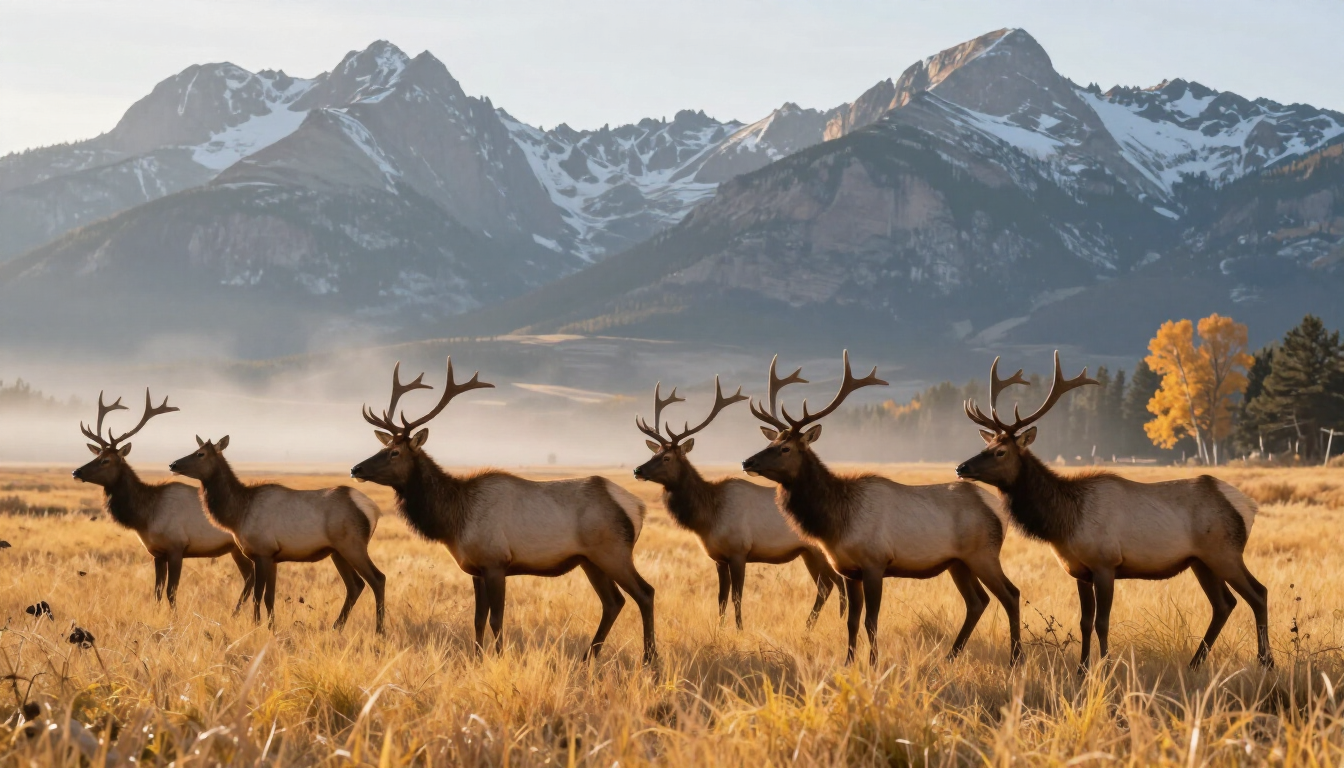
The rut is the elk breeding season, typically reaching its most dramatic point from early September through mid-October. As temperatures cool and the days shorten, bull elk become more active, vocal, and protective of their harems.
You may hear a deep, echoing bugle before you see an animal. That sound can carry across meadows, neighborhoods, and mountain slopes, especially during the stillness of early morning or evening. Bulls may also display by:
- Sparring with rival bulls
- Strutting and herding females
- Pawing the ground
- Throwing their antlers back while bugling
- Chasing younger males away from a group
Estes Park’s first official day of fall has arrived, and the rut is already taking a full swing. The result is a memorable combination of golden foliage, crisp mountain air, and active wildlife throughout the Estes Park Valley.
Where can you see elk during the rut in Estes Park?
Elk can appear in many places, and their movements change from day to day. Popular viewing areas include open meadows, quiet roadsides, golf course edges, and broad valley areas near town. Nearby Rocky Mountain National Park is also a favorite destination for visitors hoping to see elk in a natural setting.
Common viewing locations include:
- Moraine Park and other open park meadows
- Horseshoe Park near the park’s eastern entrance
- Upper Beaver Meadows
- The Estes Park golf course area
- Open spaces around the valley during dawn and dusk
Wildlife is unpredictable. A location that is busy with elk one morning may be empty later the same day. Rather than chasing sightings, give yourself time to explore responsibly and enjoy the broader autumn landscape.
If you are staying in the area, browse the available vacation rental listings to find a comfortable base for early-morning wildlife drives and relaxed evenings.
When is the best time to watch the elk rut?
The best viewing times are usually shortly after sunrise and during the final hours before sunset. Elk often rest during the middle of the day, while cooler temperatures encourage more movement in the morning and evening.
For the best experience:
- Arrive before sunrise when possible. You will encounter fewer crowds and may hear bugling across the valley.
- Bring warm layers. Fall mornings can feel much colder than the afternoon forecast suggests.
- Stay in one area for a while. Patient observation is often more rewarding than driving constantly between locations.
- Watch the landscape, not only the road. A quiet meadow edge may reveal movement before a herd becomes obvious.
- Leave before darkness if you are unfamiliar with mountain roads or changing weather.
Midweek visits generally offer a quieter atmosphere than weekends. September and early October can be especially active, although weather and herd movement vary each year.
How should visitors watch elk safely?
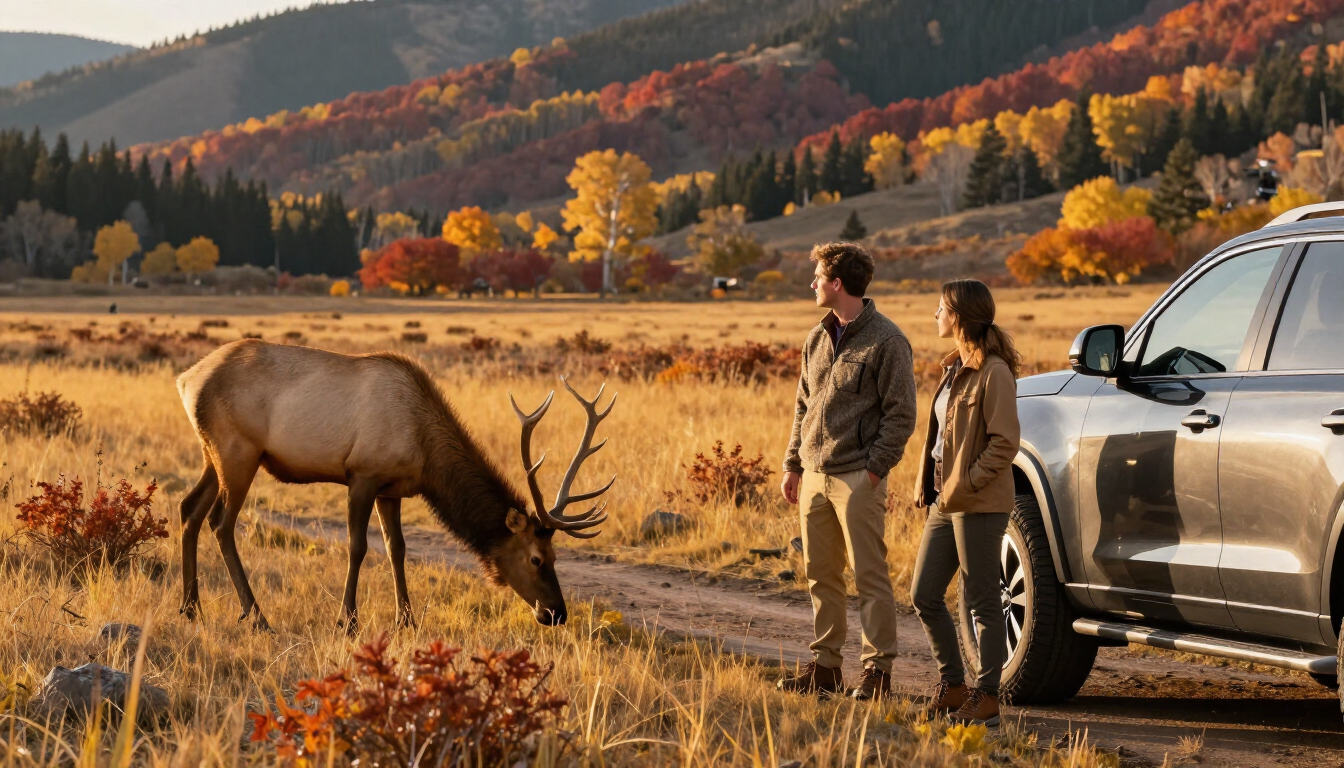
Elk are wild animals, even when they seem calm or accustomed to people. During the rut, bulls can be highly defensive, and cows may also become protective of calves. Never assume an elk is safe to approach because it is standing near a road, lodging area, or pedestrian path.
Keep at least 75 feet from elk, and increase your distance if an animal changes its behavior. Warning signs include lowered antlers, pinned-back ears, pawing, circling, or a direct stare. If an elk approaches, move away slowly and put a solid object, such as a vehicle or building, between yourself and the animal.
Never:
- Feed or touch wildlife
- Block traffic to take photographs
- Walk between a cow and calf
- Use a drone near animals
- Follow elk into private property or closed areas
Use a telephoto lens or binoculars instead of moving closer. A respectful distance protects you, reduces stress on the animals, and helps preserve the experience for future visitors.
What should you pack for an autumn elk-watching trip?
A successful fall wildlife outing does not require complicated equipment, but the right basics make a major difference. Mountain weather can shift quickly, and you may spend more time outdoors than expected.
Pack:
- Warm layers, gloves, and a hat
- Comfortable walking shoes with good traction
- Binoculars or a camera with a zoom lens
- Water and simple snacks
- Sunglasses, sunscreen, and lip balm
- A flashlight or headlamp for pre-dawn starts
- A charged phone and offline directions
Muted clothing can help you blend into the scenery, although staying quiet and keeping your distance matter more than wearing camouflage. Check park alerts, road conditions, and weather before leaving your rental.
Autumn experiences beyond the elk
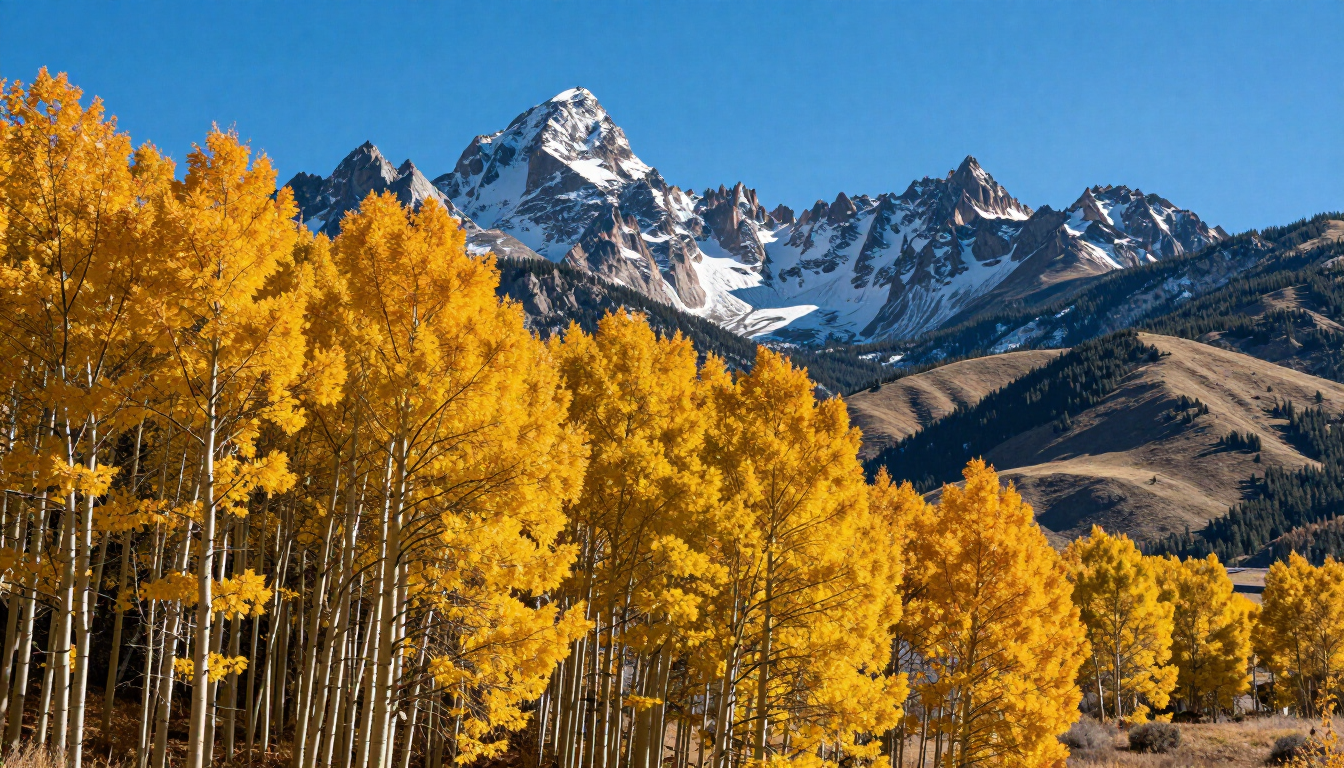
The rut is the headline event, but fall in Estes Park offers plenty of reasons to slow down. Aspen leaves turn bright yellow along mountain roads and trails, while cool evenings create a cozy setting for local dining, reading, or relaxing after a day outside.
Consider combining wildlife viewing with:
- A scenic drive through the Estes Park Valley
- A short hike suited to current weather and ability
- A visit to local shops and restaurants
- Sunrise or sunset photography
- A quiet afternoon at your vacation rental
The nearby communities of Lyons, Allenspark, and Drake also offer different perspectives on the season. If you prefer a quieter stay away from the busiest viewing areas, compare options through the search page .
Remember that fall weather can bring snow, ice, or temporary road closures at higher elevations. Choose activities according to conditions rather than trying to complete an ambitious itinerary every day.
Frequently asked questions about the elk rut
How long does the elk rut last in Estes Park?
The elk rut generally lasts several weeks, with the most noticeable activity often occurring from early September through mid-October. Exact timing changes with weather, elevation, and herd behavior.
Can you hear elk bugling from town?
Yes. Bugling can carry surprisingly far, particularly during quiet mornings and evenings. You may hear elk from lodging areas, roads, and open spaces without entering the park.
Is fall a good time to visit Estes Park?
Fall is an excellent time to visit if you enjoy wildlife, changing leaves, cooler temperatures, and scenic mountain views. It is also a popular season, so reserve lodging and plan around busy roads and viewing areas.
Should you visit Rocky Mountain National Park during the rut?
The park can provide outstanding wildlife viewing, but visitors should check current entry requirements, closures, parking information, and regulations before arriving. Follow all posted rules and ranger guidance.
Plan your Estes Park fall getaway
Estes Park’s fall rut season is best experienced slowly: arrive early, listen for bugling, watch from a safe distance, and leave room in your schedule for changing wildlife activity. The season combines dramatic elk behavior with golden aspens, crisp air, and memorable mountain scenery. Before your trip, check conditions, reserve lodging, and review viewing guidelines. Then compare local vacation rentals or contact the team through Contact Us if you need help choosing a stay. Respectful planning lets you enjoy the rut while protecting the animals and the wild character of the Estes Park Valley.
Recent Posts
